HRP Data Methodology Challenge
The NASA Artemis II Human Research Data Methodology Challenge
Four astronauts. Three studies. One unique dataset. How do we extract the maximum possible scientific insight from data of this nature?
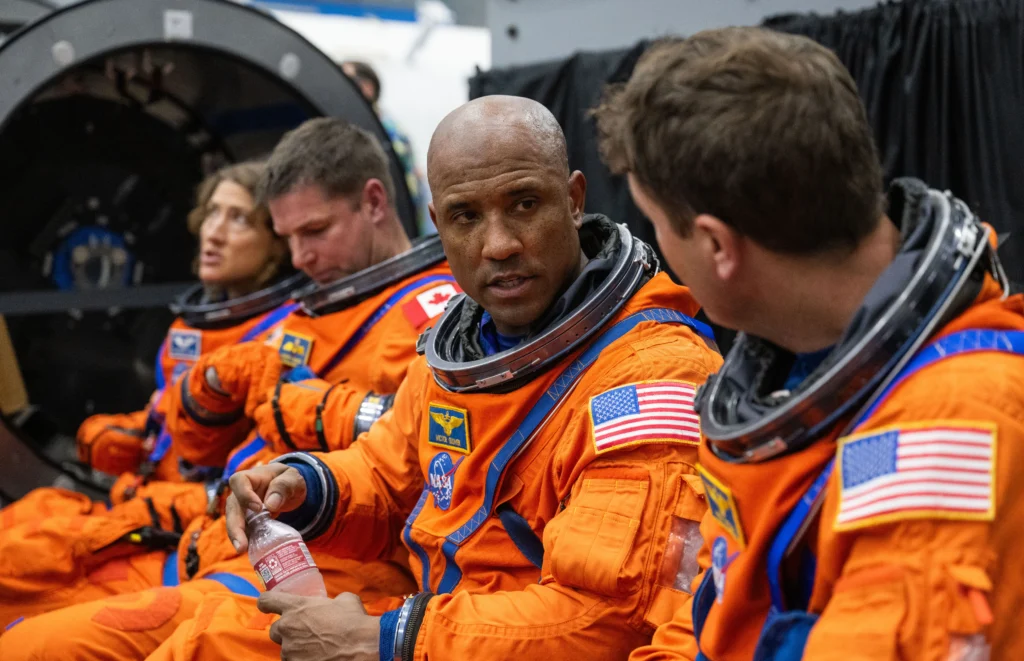
Artemis II: The First Crewed Deep Space Mission in Fifty Years
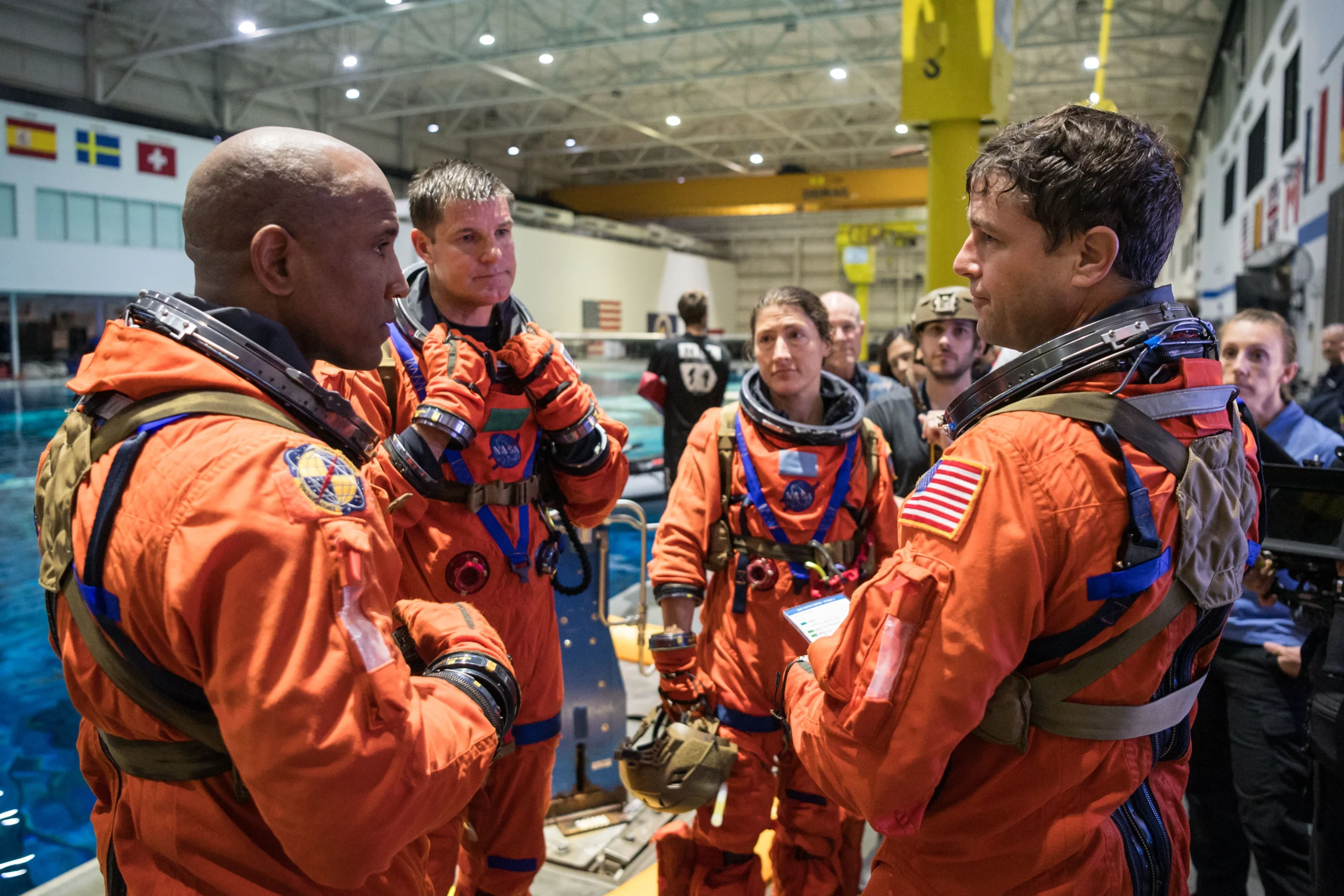
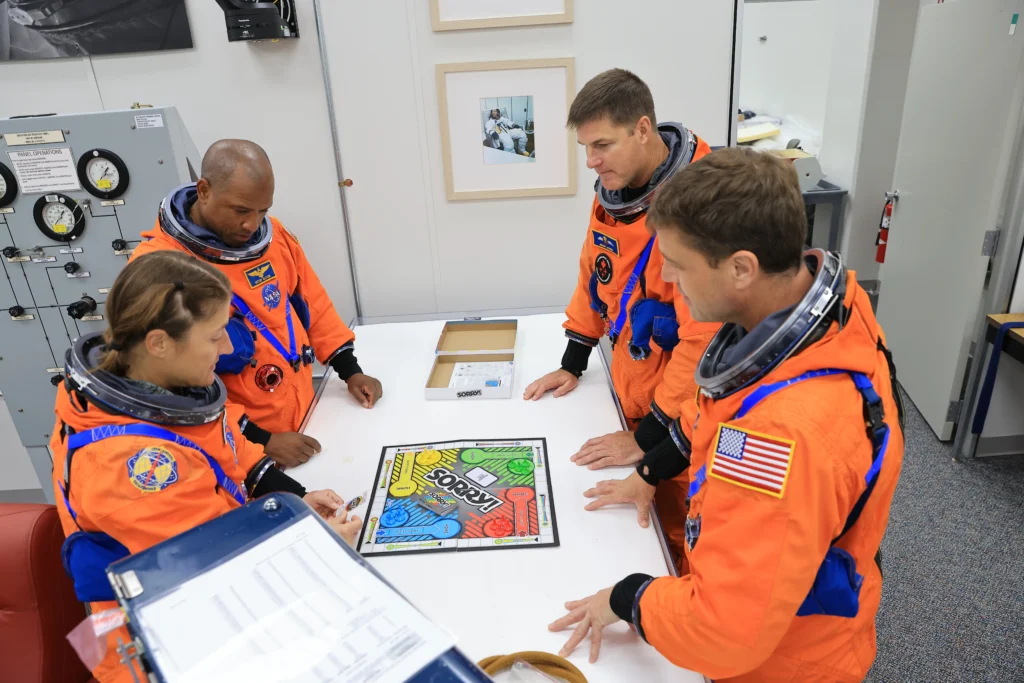
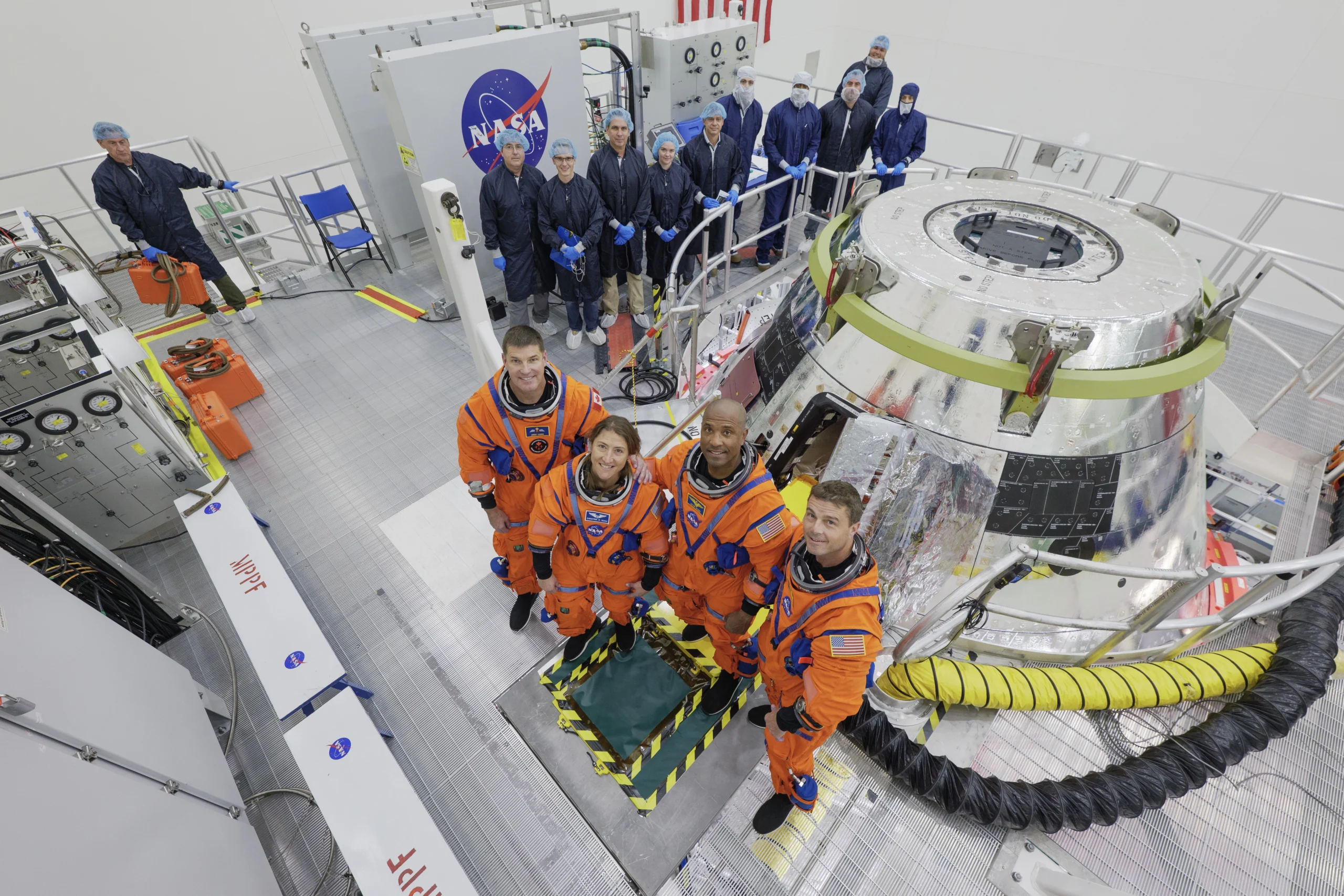
Artemis II was the first crewed mission of NASA’s Artemis program to travel beyond low Earth orbit since Apollo 17 in December 1972. The mission carried four astronauts aboard the Orion spacecraft on a trajectory into deep space, marking a pivotal milestone in the history of human exploration. For the first time in more than half a century, human beings experienced the full physiological and psychological conditions of space travel beyond low Earth orbit, including extended exposure to space radiation, the isolation and confinement of a new spacecraft, and the operational demands of a mission profile.
For NASA’s Human Research Program, Artemis II represented an irreplaceable research opportunity. The data collected from the four-person crew expanded an existing body of knowledge built primarily from missions in low Earth orbit, extending it into the deeper space environment. It provided direct measurements of how the human body responds to conditions that ground-based simulation cannot fully replicate.
But the dataset also presented a profound analytical challenge. With only four subjects, the data was extraordinarily limited in sample size while simultaneously spanning multiple physiological systems, data modalities, and time points. That combination — small n, high dimensionality, multi-modal structure — was what the NASA Artemis II Human Research Data Methodology Challenge seeks to address.
What Data Was Collected?
NASA’s Human Research Program conducted three studies during Artemis II. Understanding the structure and characteristics of these studies is essential context for participants developing their methodological approaches.
- Artemis II Spaceflight Standard Measures is a new branch of the ongoing Spaceflight Standard Measures study, which started in 2018 and has been conducted across a variety of ground analogs and the International Space Station. The experiment has collected a comprehensive suite of physiological and psychological data from more than thirty astronauts completing missions in low Earth orbit. The Artemis II branch extended that data bank into the deep space environment, collecting a standardized suite of measurements before, during, and after the mission.
Data collection for Standard Measures included biological samples such as blood, saliva, and urine, to examine nutritional status, cardiovascular health, and immunological function. MRI imaging was used to examine ocular and brain health. Additional testing and surveys investigated balance, motion sickness symptoms, vestibular health, muscle performance, and changes in microorganism composition during the mission. Unique to the Artemis branch of the study, astronauts also completed physical function tests immediately upon return to Earth, including egressing a capsule and conducting simulated moonwalk activities in a pressurized spacesuit. These assessments are designed to evaluate functional readiness for lunar surface operations.
- ARCHeR (Artemis Crew Health and Research) The ARCHeR study measured astronauts’ well-being, activity, sleep patterns, and social interactions throughout the Artemis campaign. The study is designed to capture the behavioral and psychological dimensions of deep space travel, where astronauts will encounter mission profiles and operational environments that differ from those of International Space Station missions. Data was collected from behavioral performance surveys administered before and after the mission, and from actigraphy sensors that track movement and sleep.
- Immune Biomarkers study examined how deep space alters various aspects of crew physiology, with a particular focus on the immune system. By analyzing blood and saliva samples collected before, and after the mission, as well as saliva samples preserved “dry” in booklets during the mission, researchers developed a clearer understanding of how flight conditions affect stress hormones, immune cell populations, and the behavior of latent viruses. One key aspect of this study investigated the reactivation of dormant viruses — including the virus responsible for shingles — which earlier research suggests can re-active during the extreme conditions of spaceflight. The mechanisms and implications of this phenomenon are still being explored.
Help Solve Inherent Analytical Problems
The three Artemis II studies generated a dataset collected from four subjects — a sample size that renders most conventional statistical approaches either inapplicable or unreliable. It spans multiple physiological systems simultaneously, creating a high-dimensional sample space relative to the number of observations. It includes data from multiple modalities — biological assays, imaging, wearable sensors, and behavioral surveys — each with its own structure, noise characteristics, and temporal resolution. And it was collected under operational constraints that introduce additional sources of variability and missing data that cannot be controlled in the way a laboratory study could.
Traditional statistical approaches designed for large population studies may be poorly suited to datasets of this nature.
Participants are encouraged to consider any proven methodology that addresses extracting maximum insights from limited, high-dimensional, multi-modal data. Examples of approaches that may be relevant included within-subject integration designs, high-dimensional data fusion, Bayesian hierarchical modeling, transfer learning from related datasets, time series analysis, causal inference methods, and ensemble approaches. Participants may also wish to consider operational data such as temperature, CO2, and pressure when demonstrating their approaches. This list is illustrative, not exhaustive.
Working with Proxy Data
While the Artemis II mission data will not be available during the challenge period, all participants will work with existing proxy datasets. These datasets should mirror the characteristics of the Artemis II data – including sample size, data modalities, measurement types, and inherent limitations – without using actual astronaut data.
A curated list of proxy datasets will be made available to all registered participants immediately upon completion of registration. There is no approval gate or waiting period. Participants are expected to apply their proposed methodology to the proxy data and include the results of that application in their submission. The proxy data is a research tool designed to give participants a realistic working environment.
What Do You Need to Submit?
Each submission includes required and optional components. All submissions must be made through the Innobear challenge platform by the submission deadline on June 5, 2026.
Requirements:
- Methodology Description: a PDF document no more than three pages that provides a written description of the proposed methodology, including its theoretical basis, the domain or domains in which it is currently used, and the evidence base supporting its effectiveness. This description should be sufficiently detailed for a technically qualified reviewer to understand the methodology without reference to external sources.
- Demonstration Using Proxy Data: a ZIP file containing working code in a documented, reproducible format (Python, R, Jupyter Notebook, or equivalent) and a ReadMe file with clear instructions for reproducing the results. The demonstration must show the methodology applied to the challenge proxy data, with results that are valid, meaningful, and clearly explained.
- Application Narrative: a PDF document that explains how the demonstrated methodology could be applied to the actual Artemis II datasets. The narrative must address the specific constraints of the Artemis II data — including the small sample size, high dimensionality, and multi-modal nature — and explain what insights could realistically be gained by applying the methodology.
- Supporting Documentation: including references, validation results, visualizations, or other materials, may also be submitted in PDF, image, or video format.
- Optional Superlative Criterion Question: “What additional data would you have collected to further enhance the value of the existing data?” Responses will be considered in the Applicability to Artemis II scoring dimension and may differentiate otherwise comparable submissions.
How Will Submissions Be Judged?
Submissions that pass an administrative compliance review will be evaluated by a panel of five judges with relevant expertise in data science, biostatistics, computational biology, space medicine, or related fields. Each submission will be scored on a scale of 0 to 100 points across four criteria.
| Criterion | Weight | Maximum Points |
|---|---|---|
|
Methodological Rigor
|
30% |
30 |
|
Demonstration Quality
|
30% |
30 |
|
Applicability to Artemis II |
25% |
25 |
|
Innovation and Impact |
15% |
15 |
Methodological Rigor assesses the scientific soundness and appropriateness of the proposed methodology — whether it has a strong theoretical foundation, whether it is appropriate for small-sample, high-dimensional, multi-modal data, and whether the submission explicitly addresses the statistical limitations inherent in working with a dataset of only four subjects.
Demonstration Quality assesses whether the methodology was successfully applied to the proxy data, whether the results are valid and meaningful, and whether the demonstration is fully reproducible by a technically qualified reviewer using the provided code and documentation.
Applicability to Artemis II assesses the clarity and specificity of the application narrative — how convincingly the participant explains the pathway from the demonstrated methodology to its application to the actual Artemis II data, and how realistically they describe the insights that could be gained.
Innovation and Impact assesses the novelty of the proposed approach in the space medicine context and its potential to advance HRP’s research agenda beyond the Artemis II mission, including applicability to future missions and studies.
Awards
The challenge carries a total monetary prize pool of $25,000, distributed among up to fifteen winners. The prize structure is designed to recognize excellence at the top while building a broad and engaged community of contributors.
| Placement | Number of Winners | Individual Prize | Total |
|---|---|---|---|
|
1st Place |
1 |
$5,000
|
$5,000
|
|
2nd Place |
1 |
$3,500
|
$3,500
|
|
3rd Place |
1 |
$2,500
|
$2,500
|
|
4th – 5th Place
|
2 |
$2,000 each
|
$4,000
|
|
6th – 10th Place |
5 |
$1,500 each |
$7,500
|
|
11th – 15th Place
|
5 |
$500 each
|
$2,500
|
|
Total |
15
|
|
$25,000
|
In addition to monetary prizes, the challenge offers several forms of non-monetary recognition. Submissions that do not place in the top fifteen but demonstrate exceptional merit may receive an Honorable Mention, publicly recognized on the challenge website. NASA HRP may also designate Special Recognition Categories to highlight submissions that are particularly noteworthy in specific areas.
Key Dates
The following schedule governs the challenge. All dates are subject to change; any modifications will be announced on this website and communicated to registered participants via email. Participants should refer to the official challenge platform for exact deadlines and times.
Who Can Participate
This challenge is conducted under the America COMPETES Act and participation is limited to United States citizens, permanent residents, and qualifying entities. Individual participants — whether competing alone or as part of a team — must be citizens or permanent residents of the United States at the time of registration and at the time of prize award. Private entities must be incorporated in and maintain a primary place of business in the United States.
Teams may register and compete as a group. All team members must individually meet the eligibility requirements.
Federal entities and federal employees acting within the scope of their employment are not eligible to compete or receive prizes. Employees of the challenge management contractor and their immediate family members are also ineligible.
Your Work Remains Yours
All intellectual property rights in a submission remain with the participant or participants who created it. Participation in this challenge does not transfer ownership of any intellectual property to NASA or to the challenge management contractor.
NASA may choose to negotiate with winners post-competition for a license to use their methodologies.